Are inaccurate movements, inconsistent positioning, or unreliable motion components compromising your equipment’s performance and operational efficiency?
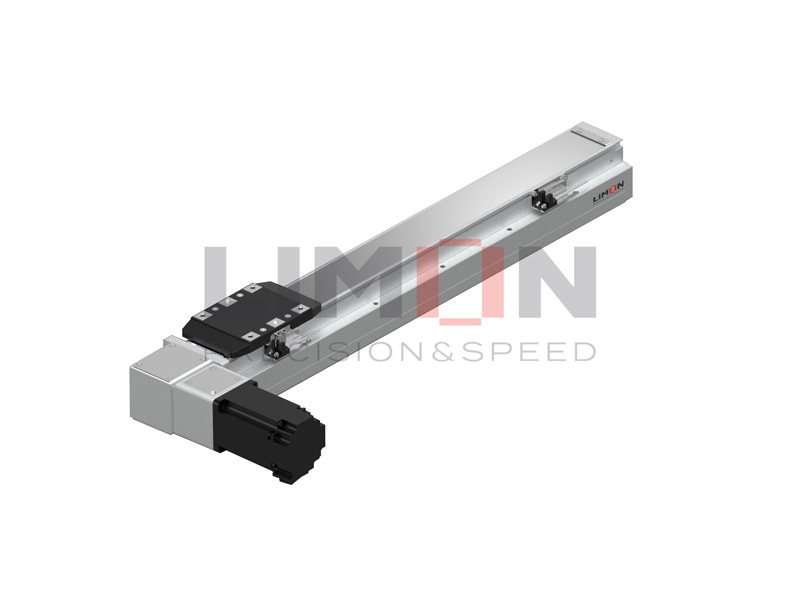
Linear actuators convert energy into controlled linear motion, enabling machines to lift, push, pull, position, and adjust components. They are used in industrial automation, robotics, medical devices, laboratory equipment, and smart machinery. The right actuator improves motion control, repeatability, and operational efficiency when properly matched to load, speed, stroke, and application requirements.
¿Dónde se utilizan los actuadores lineales?
From medical positioning systems to industrial automation, linear actuators help equipment achieve controlled, repeatable movement across diverse applications.
What Are the Main Applications of Linear Actuators?
Linear actuators are essential components in modern machinery because they transform energy into useful linear movement. Instead of relying on manual adjustment or complicated mechanical linkages, equipment designers can use actuators to move components along a defined path with greater control and consistency.
In industrial environments, linear actuators are commonly used for material handling, automated assembly, packaging machinery, machine-tool positioning, and production-line adjustment. They can move workpieces, position tooling, open protective covers, and adjust equipment settings according to programmed instructions.
Their applications extend beyond manufacturing. Medical equipment uses linear motion for positioning and adjustment, while laboratory systems rely on controlled movement for sample handling, automated testing, and precision instruments. Agricultural machinery, smart furniture, inspection equipment, and automated storage systems also use actuators to simplify mechanical operations.
Electric linear actuators are particularly useful when a system requires programmable movement. When integrated with motors, sensors, and controllers, they can support predefined stroke lengths, adjustable speeds, and repeatable positioning sequences. Their performance, however, depends on the actuator design, transmission mechanism, control architecture, and operating conditions.
For engineers, the key is to select an actuator according to the actual task rather than simply choosing the model with the highest force or speed rating.
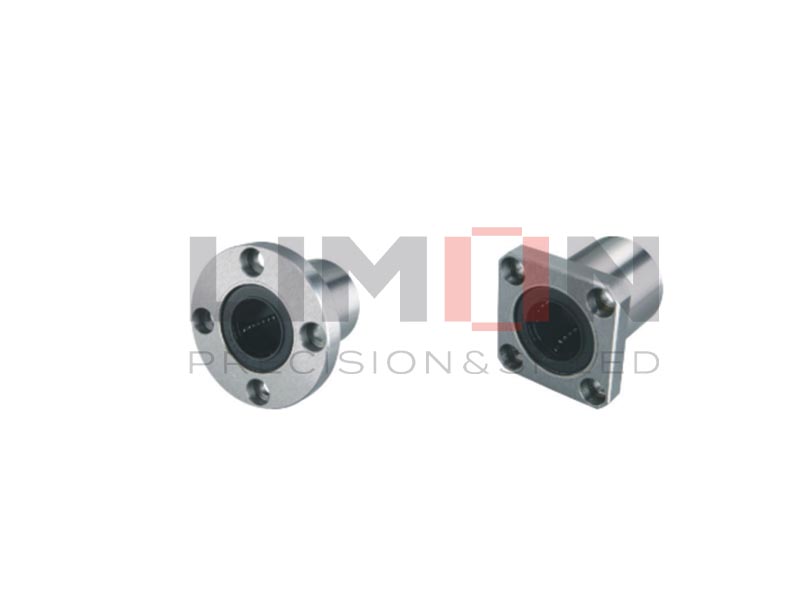
Limon manufactures linear motion products, including linear actuators, ball screws, linear guide rails, and linear bearings. With an integrated production line, direct sales, and technical support, Limon helps customers identify suitable motion components for different equipment requirements.
How Are Motorized Linear Actuators Used in Medical Devices?
Medical equipment often requires controlled, smooth, and repeatable movement to support patient positioning, equipment adjustment, and automated procedures. This makes motorized linear actuators valuable components in many medical and healthcare applications.
The phrase motorized linear actuators applications in medical devices covers a range of potential uses, including adjustable examination tables, powered medical beds, patient lifts, rehabilitation equipment, and positioning mechanisms in diagnostic or therapeutic systems. Depending on the device design, actuators may raise or lower a platform, adjust a backrest, move a support structure, or position an equipment assembly.
Electric actuation offers several advantages over manual adjustment. Operators can control movement through switches, remote controls, or integrated electronic systems. Multiple actuators may also be coordinated to adjust different sections of a device, provided the system is designed with appropriate controls and feedback.
Medical applications nevertheless require careful engineering. Designers must evaluate load capacity, movement speed, noise, positioning accuracy, duty cycle, cleaning requirements, electrical safety, and the consequences of unexpected movement. Where an actuator is used in patient-support equipment, anti-trap features, emergency lowering, overload protection, and other risk controls may be necessary depending on the application.
It is also important to distinguish between an actuator component and a complete medical device. An actuator intended for industrial automation should not automatically be assumed suitable for patient-contact or safety-critical equipment. The complete system must meet the applicable regulatory, electrical, mechanical, and risk-management requirements.
Limon can support customers by discussing mechanical specifications and motion-system requirements. For medical equipment projects, buyers should verify that the selected actuator and its integration meet the relevant requirements for the intended use.
How Do Linear Actuators Support Industrial Automation and Robotics?
Industrial automation relies on predictable movement to transfer materials, position components, and perform repetitive operations. Linear actuators provide the mechanical movement needed for many of these tasks, particularly when equipment must move between defined positions or follow a controlled motion profile.
In automated assembly, an actuator may position a component before fastening or inspection. In packaging equipment, it can adjust guides, move tooling, or control a mechanism during a production cycle. Material-handling systems may use actuators to extend transfer mechanisms, adjust platforms, or move products between workstations.
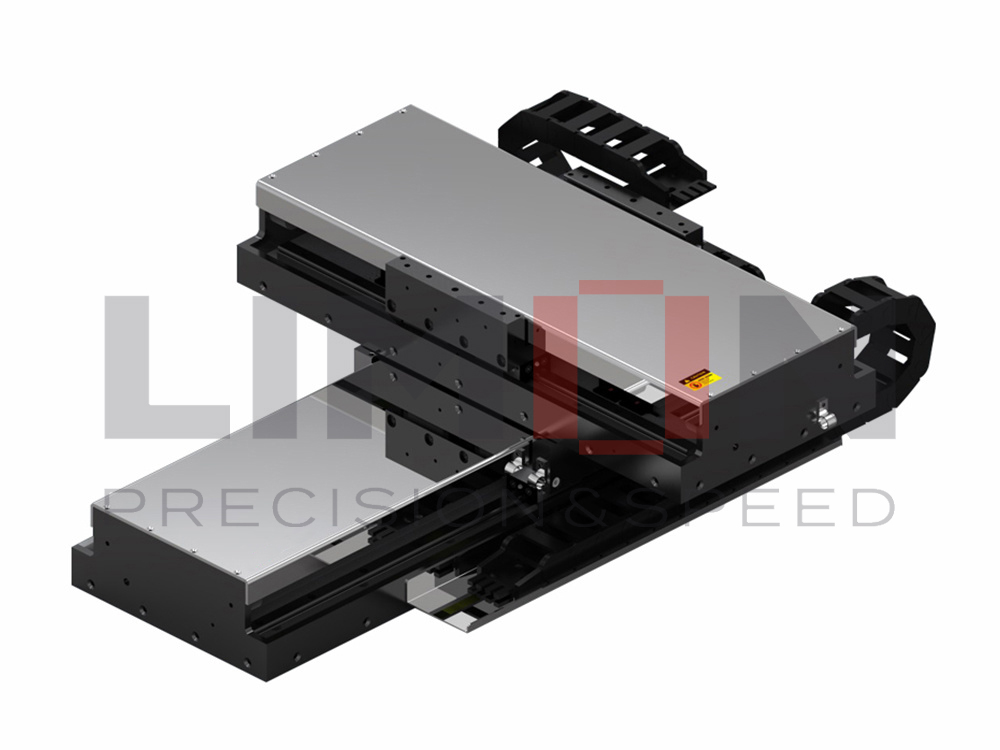
Robotics provides another important application. Cartesian robots and gantry systems use linear axes to move tools or workpieces along straight paths. A linear actuator can provide the driving force, while linear guide rails and bearings support the moving assembly and maintain its intended trajectory.
The transmission mechanism is particularly important. Screw-driven actuators can provide controlled movement for applications that require predictable positioning. Ball screws are often considered for systems requiring high efficiency and precision, while lead screws may suit applications where a simpler transmission and particular cost or holding characteristics are priorities. Actual performance depends on the complete design.
When selecting an actuator for automation, engineers should consider the moving mass, external forces, acceleration, stroke length, speed, positioning requirements, and operating cycle. They must also account for the rigidity of the supporting structure and the compatibility of the actuator with the guide system.
Limon’s range of linear motion components allows customers to consider actuators alongside ball screws, linear guides, and bearings. This integrated product offering, combined with direct manufacturer communication and technical support, helps customers develop more coordinated motion systems.
Which Types of Linear Actuators Are Best for Different Applications?
Not all linear actuators use the same drive mechanism. Selecting the appropriate type depends on the required force, speed, precision, stroke, installation space, maintenance conditions, and budget.
Electric screw-driven actuators are widely used in industrial automation and positioning equipment. They combine an electric motor with a screw transmission to convert rotation into linear movement. Ball screw designs can offer high mechanical efficiency and precision, while lead screw designs may be appropriate for simpler or lower-duty applications, depending on the requirements.
Belt-driven linear actuators are often considered when long travel distances and high speeds are important. Rack-and-pinion mechanisms can be suitable for certain longer-travel applications that require a different balance of speed, force, and structural design. Pneumatic and hydraulic actuators are also widely used where their force characteristics, operating environments, or existing infrastructure make them appropriate.
| Actuator Type | Typical Advantages | Aplicaciones comunes |
| Electric screw-driven | Controlled movement and positioning | Automation, machine tools, adjustment systems |
| Ball screw-driven | High efficiency and precision potential | CNC equipment, precision positioning |
| Lead screw-driven | Simple transmission and flexible design options | Adjustment mechanisms, compact equipment |
| Accionamiento por correa | High speed and long travel potential | Transfer systems, gantry equipment |
| Neumático | Fast movement and relatively simple actuation | Clamping, repetitive industrial operations |
| Hidráulico | High force capability | Heavy-duty machinery and lifting systems |
These categories are not interchangeable in every situation. For example, a high-speed transfer axis may require a different actuator design from a medical positioning mechanism that prioritizes quiet operation and controlled movement.
Limon specializes in linear motion products and can help customers evaluate electric motion components according to their application requirements. By considering the complete motion system rather than one specification in isolation, buyers can make more informed decisions about performance, reliability, and long-term operating costs.
¿Cómo elegir el actuador lineal adecuado para tu aplicación?
Choosing the right linear actuator starts with clearly defining the movement the machine must perform. A suitable actuator must provide enough force and travel while meeting the required speed, accuracy, duty cycle, and installation constraints.
Load and force should be evaluated first. Determine the total moving mass and the external forces acting on the mechanism. Acceleration, gravity, friction, and mounting orientation can affect the force required during operation. For lifting applications, the design must also address load holding and the consequences of power loss.
Stroke and speed determine how far and how quickly the actuator must move. A longer stroke may affect overall dimensions and screw stability, while higher speeds can increase motor demand, heat generation, and dynamic loads.
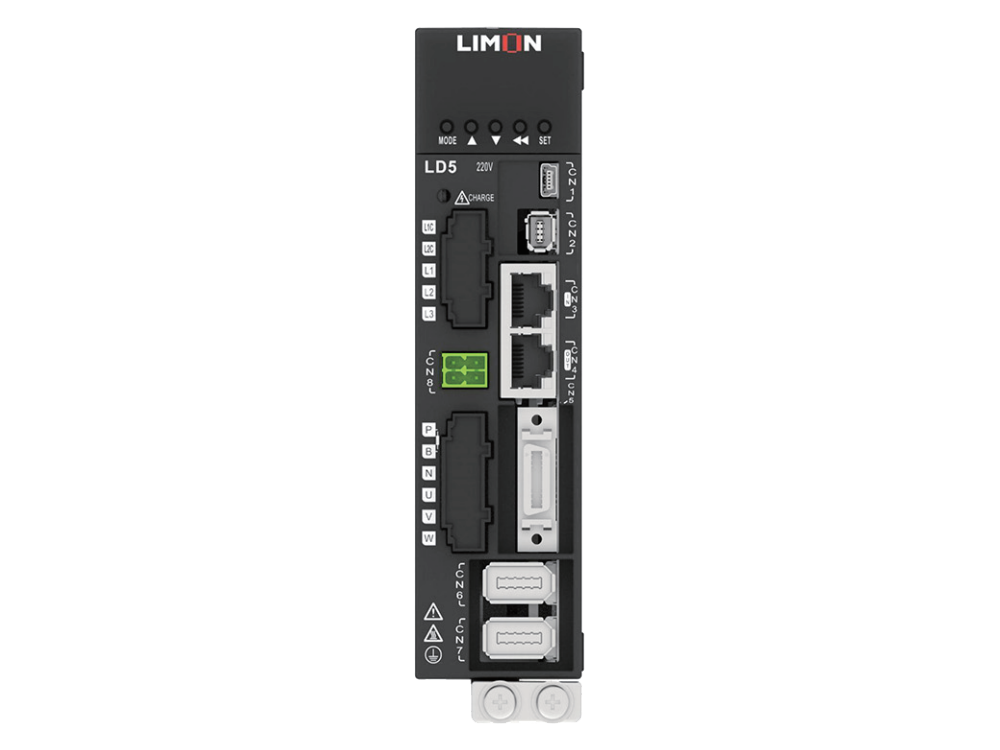
Precisión y repetibilidad are equally important. Some applications only require movement between two end positions, while others need precise intermediate positioning. The actuator, motor, feedback devices, mechanical transmission, guide system, and controller all influence the final result.
Engineers should also evaluate duty cycle, noise, environmental protection, maintenance access, expected service life, and integration with existing control equipment.
Una lista de verificación práctica para la selección incluye:
- Required force and moving load
- Stroke length and installation space
- Maximum speed and acceleration
- Precisión y repetibilidad del posicionamiento
- Operating frequency and duty cycle
- Mounting orientation and load direction
- Condiciones medioambientales
- Noise and vibration requirements
- Control interface and feedback needs
- Maintenance and service-life expectations
For medical devices, additional considerations may include patient safety, emergency operation, cleaning compatibility, applicable standards, and risk controls. For industrial applications, contamination protection, impact loads, and continuous operating conditions may be more important.
Limon’s direct-sales model allows customers to discuss specifications with the manufacturer more directly. Our technical support can help assess key operating parameters and identify suitable linear motion components before a purchasing decision is made.
How Can Quality and Maintenance Improve Linear Actuator Reliability?
A linear actuator’s service life depends on more than its initial specifications. Manufacturing consistency, correct installation, appropriate lubrication, load conditions, and regular maintenance all contribute to reliable performance.
Mechanical alignment is a fundamental consideration. If an actuator is forced to operate against an improperly aligned guide or mounting structure, additional loads may develop in the transmission mechanism. These loads can increase friction, noise, wear, and positioning errors. The actuator should therefore be installed according to the manufacturer’s mounting and alignment recommendations.
Lubrication requirements depend on the actuator’s transmission design. Screw-driven systems may require periodic lubrication of the screw and nut, while other mechanisms have different maintenance needs. Users should follow the product-specific maintenance schedule rather than applying a universal interval.
Environmental protection is equally important. Dust, metal chips, moisture, and chemicals may affect exposed moving components. Suitable covers, seals, and protective arrangements should be selected according to the working environment.
Operators should also monitor changes in movement, sound, temperature, vibration, and positioning consistency. Unexpected increases in operating resistance or unusual noise may indicate misalignment, contamination, wear, or lubrication problems. Equipment should be inspected and serviced before a developing fault causes further damage.
For applications where actuator failure could create a safety hazard, preventive maintenance and appropriate protective controls are especially important.
Limon’s integrated production line supports manufacturing consistency across its linear motion product range. By combining manufacturing capabilities with direct customer communication and technical support, Limon aims to help customers select appropriate components and maintain dependable system performance throughout the product lifecycle.
¿Por qué elegir Limon para soluciones de actuadores lineales?
Selecting a linear actuator supplier is an important decision for machine builders, automation engineers, and industrial equipment buyers. Product quality, manufacturing consistency, technical communication, and component compatibility all influence the value of the final solution.
Limon is a linear motion product manufacturer offering linear actuators, ball screws, linear guide rails, and linear bearings. Our integrated production line enables closer control over manufacturing processes and helps us maintain consistent product quality across our product range.
This capability is valuable because an actuator rarely works alone. In many applications, the actuator must operate alongside a guide rail, bearing system, screw transmission, motor, and controller. A mismatch between these elements can reduce accuracy, increase friction, or limit the performance of the complete machine.
Limon’s direct-sales model allows customers to communicate more directly with the manufacturer about application requirements, specifications, and technical questions. This can simplify the selection process and help buyers evaluate whether a component is appropriate for their intended operating conditions.
Technical support is another important part of our approach. Customers can discuss load, stroke, speed, accuracy, duty cycle, installation conditions, and environmental requirements when evaluating linear motion products.
For medical equipment projects, the suitability of an actuator must be verified against the intended use and applicable safety requirements. For industrial machinery, selection should reflect the actual production cycle, operating environment, and maintenance needs.
Limon focuses on providing reliable, high-performance linear motion products supported by integrated manufacturing and practical technical assistance. Whether your project involves industrial automation, precision positioning, or equipment adjustment, we help you evaluate motion requirements and identify suitable components for your system.
Conclusión
Linear actuators support a wide range of applications, from industrial automation and robotics to medical positioning systems and laboratory equipment. Their ability to produce controlled linear movement helps machines perform lifting, pushing, pulling, adjustment, and positioning tasks more consistently.
Successful selection requires careful evaluation of load, stroke, speed, accuracy, duty cycle, environment, and system compatibility. Medical applications also require particular attention to safety, regulatory requirements, and the complete device design.
With an integrated production line, direct manufacturer sales, high-quality linear motion products, and technical support, Limon ofrece soluciones de movimiento lineal fiables y de alto rendimiento for demanding applications.
When your equipment needs dependable linear movement, choose Limon as your partner for practical motion solutions and consistent product quality.