When designing or upgrading a linear motion system, one of the most critical decisions engineers and buyers face is motor selection.
The difference between servomotor y motor paso a paso directly affects positioning accuracy, speed, efficiency, reliability, and total system cost.
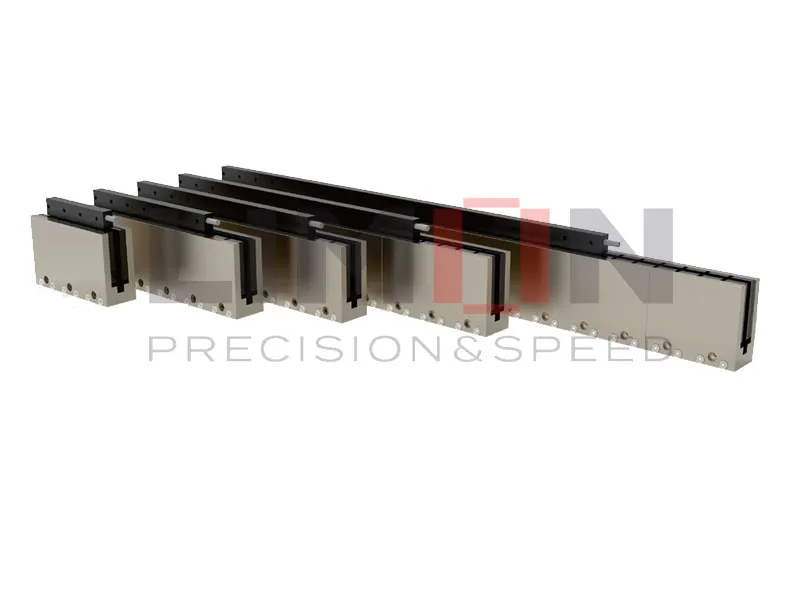
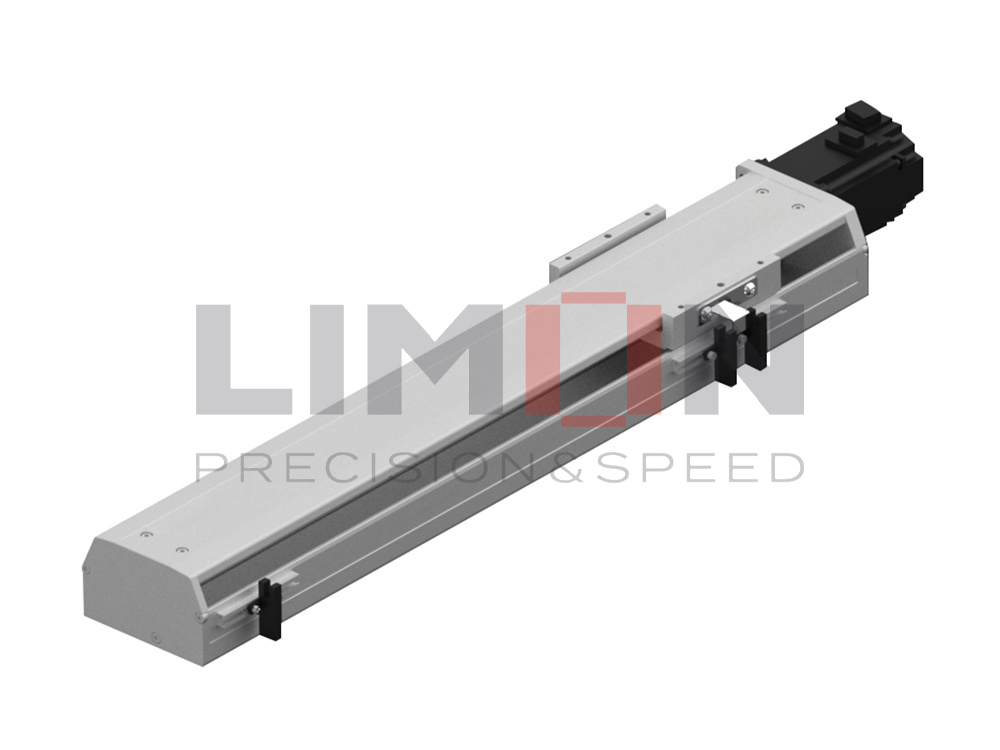
En Limón, we manufacture high-performance linear guides, ball screws, linear bearings, and linear actuators that are widely paired with both servo and stepper motors. In this guide, we’ll break down servomotores vs motores paso a paso in a clear, practical way—so you can confidently choose the right solution for your application.
¿Qué es un motor paso a paso?
A motor paso a paso is a brushless electric motor that moves in discrete steps. Each electrical pulse corresponds to a fixed angular movement, making motores paso a paso inherently suitable for open-loop positioning systems.
Características principales de los motores paso a paso
- Moves in precise, fixed increments (steps)
- Typically operates without feedback
- High holding torque at low speeds
- Simple control and lower initial cost
Because of these features, motores paso a paso are often used in light-duty linear motion systems, such as desktop CNC machines, 3D printers, and small automation equipment.
¿Qué es un servomotor?
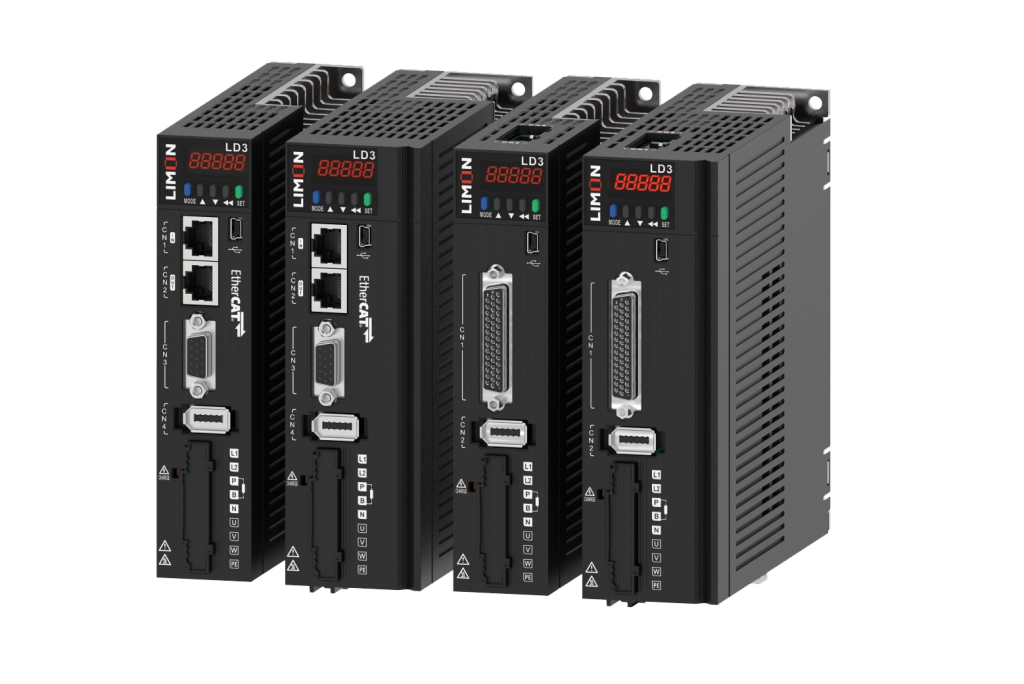
A servomotor is a closed-loop motor system that continuously monitors position, speed, and torque using a feedback device (encoder or resolver).
This fundamental feedback capability is the core difference between a servomotor y un motor paso a paso.
Key Characteristics of Servo Motors
- Closed-loop control with real-time feedback
- High speed and acceleration
- Excellent torque consistency across speed ranges
- Higher precision and efficiency
Servomotores are commonly used in industrial automation, robotics, CNC machine tools, and high-load linear actuators.
Servo Motors vs Stepper Motors: Core Differences at a Glance
Understanding the servo and motor paso a paso difference becomes easier when compared side by side:
| Característica | Motor paso a paso | Servomotor |
| Tipo de control | Bucle abierto | Bucle cerrado |
| Position Feedback | No | Sí |
| Capacidad de velocidad | Low to moderate | Alta |
| Torque at High Speed | Drops significantly | Remains stable |
| Accuracy Under Load | Can lose steps | Self-correcting |
| Coste | Lower upfront | Higher, but efficient |
This table highlights the fundamental difference between stepper and servomotor technologies.
Difference Between Stepper Motor and Servo Motor in Accuracy
Accuracy is often the first concern for linear motion systems.
- A stepper motor’s accuracy depends on step resolution and load conditions.
- A servo motor automatically corrects errors via feedback.
This makes the difference between a motor paso a paso y un servomotor especially important in applications where missed steps could lead to scrap, downtime, or safety issues.
When paired with precision Limon ball screws and linear guides, servomotores deliver superior real-world positioning accuracy.
Difference Between Servo and Stepper Motor in Speed & Torque
Speed and torque performance clearly show the difference between servo and stepper designs:
- Motores paso a paso produce high torque at low speed but lose torque rapidly as speed increases.
- Servomotores maintain strong torque across a wide speed range.
For long-stroke linear actuators or high-speed pick-and-place systems, the difference between servomotor y motor paso a paso becomes decisive.
Difference Between Stepper and Servo Motor in Efficiency
Motores paso a paso draw near-constant current, even when holding position.
Servomotores only use the power required to maintain position or move.
This difference motor paso a paso y servomotor efficiency gap means:
- Menor consumo de energía
- Reduced heat
- Mayor vida útil del sistema
For high-duty industrial environments, servo systems often result in lower total cost of ownership.
Difference Between Step Motor and Servo Motor in System Complexity
Another key difference between step motor and servomotor lies in system architecture:
- Stepper systems are simpler and easier to commission
- Servo systems require tuning but offer superior performance
At Limon, we help customers integrate both options seamlessly with our fully integrated linear motion solutions.
Difference Between Servo Stepper Motor Performance in Linear Motion
In real-world linear motion applications:
- Motores paso a paso work well for short strokes, light loads, and cost-sensitive systems
- Servomotores excel in long travel, high load, high speed, and continuous operation
This servo motor paso a paso difference directly affects how your linear guide, ball screw, or actuator performs over time.
When to Choose Stepper Motors
Elija motores paso a paso si:
- Your system has light loads
- Speeds are moderate
- Budget is the main constraint
- Occasional positioning errors are acceptable
These scenarios align well with compact linear stages or entry-level automation.
When to Choose Servo Motors
Elija servomotores si:
- You require high precision and reliability
- Loads or speeds vary
- Continuous operation is required
- El tiempo de inactividad sale caro
This is where the difference between servo and motor paso a paso strongly favors servo technology—especially in industrial linear motion systems.
How Limon Helps You Make the Right Choice
En Limon, no sólo vendemos componentes, sino que ofrecemos soluciones completas de movimiento lineal.
Our linear guides, ball screws, linear bearings, and actuators are engineered to match both servo and motor paso a paso sistemas.
Because we operate a fully integrated manufacturing line, we can:
- Optimize component matching
- Improve system reliability
- Reduce total system cost
- Deliver faster to your project timeline
Whether your design calls for a stepper or a servo, we help ensure your motion system performs at its best.
Final Thoughts: Difference Between Servo Motor and Stepper Motor
The difference between servomotor y motor paso a paso is not about which is “better,” but which is right for your application.
By understanding:
- Control method
- Precisión
- Speed and torque
- Eficacia
- Fiabilidad a largo plazo
You can make smarter decisions that improve performance and ROI.