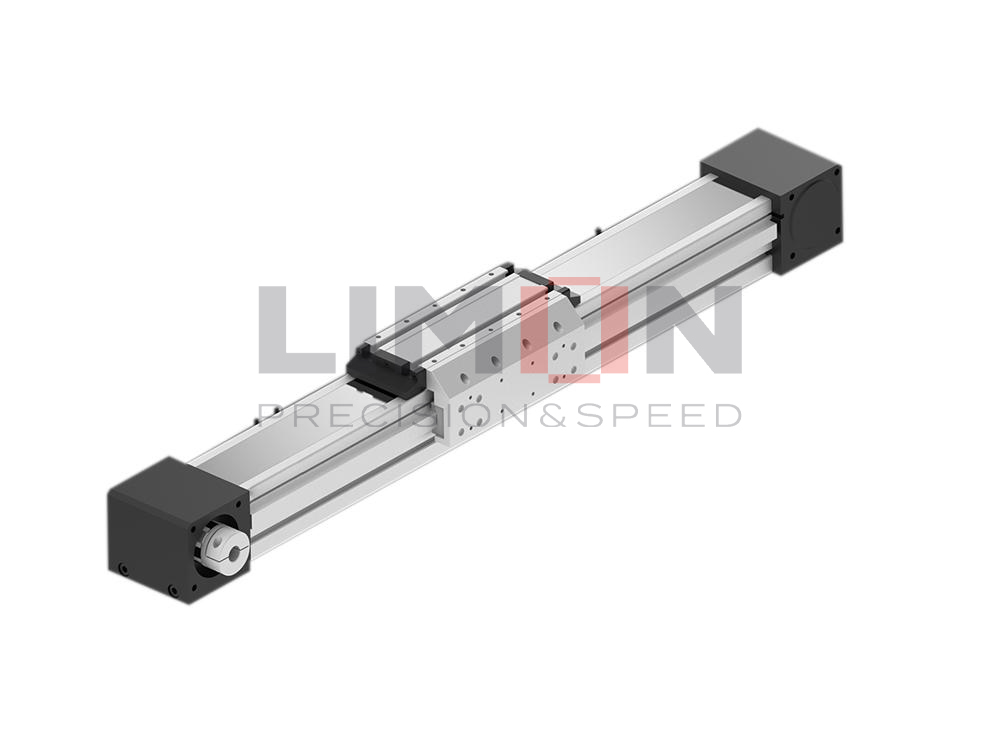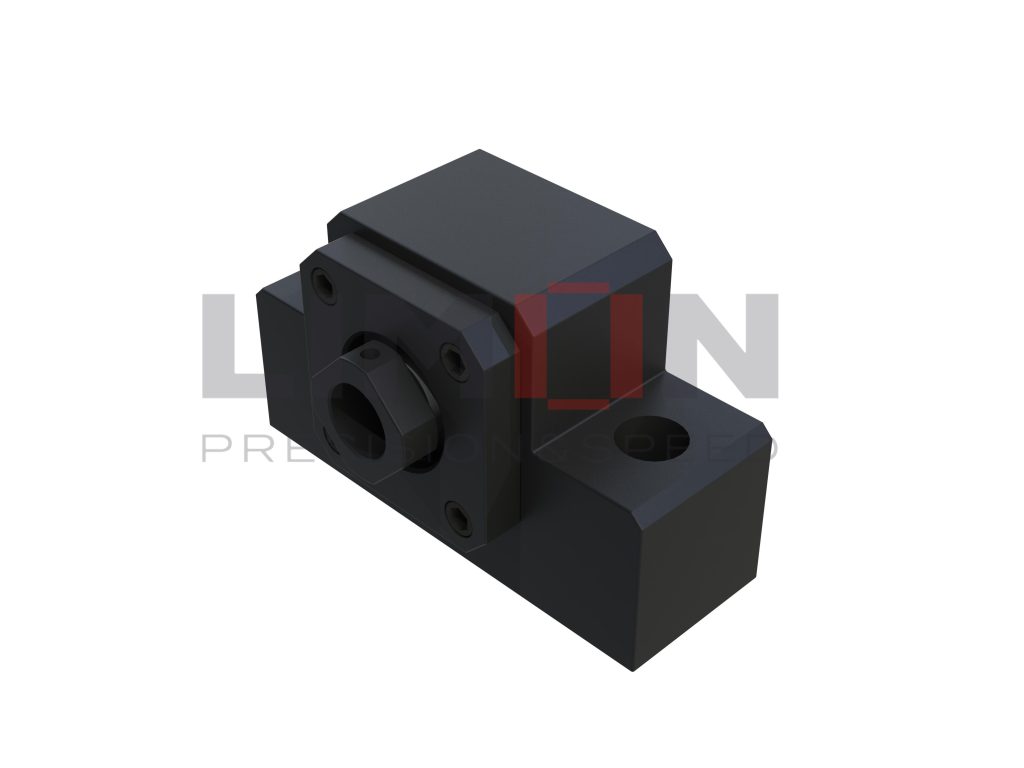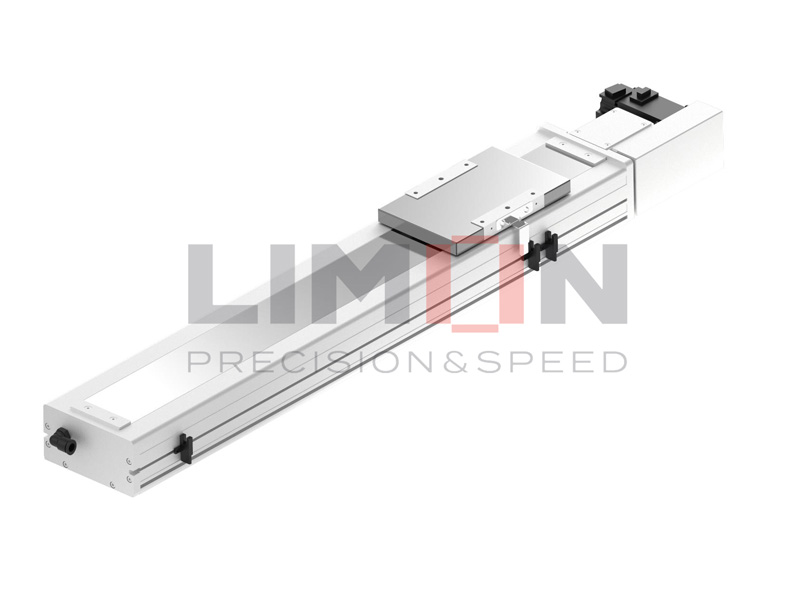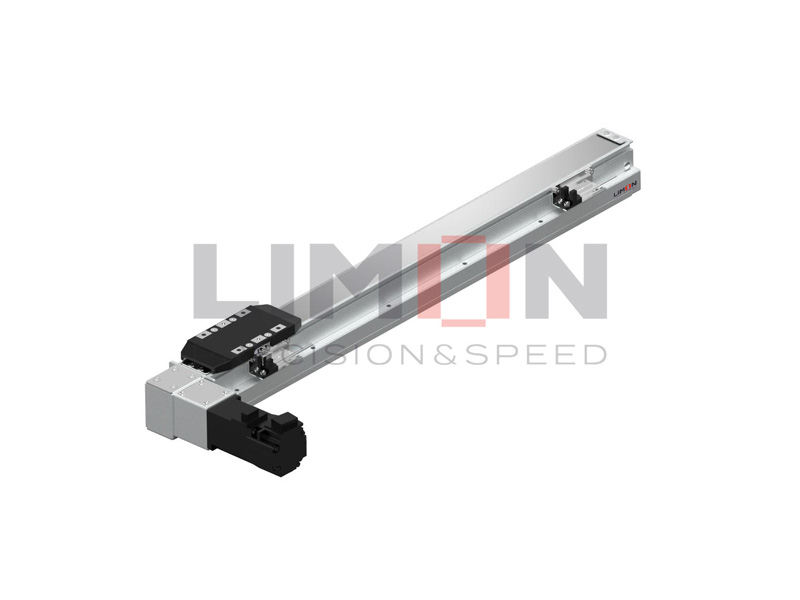
В отраслях, где важна высокая точность, таких как автоматизация, обработка на станках с ЧПУ, и робототехника, который линейная втулка играет ключевую роль в обеспечении плавного и контролируемого линейного перемещения. От повышения механической эффективности до продления срока службы оборудования — понимание важности линейных втулок может стать решающим фактором при принятии инженерных решений, особенно в системах, обеспечивающих выполнение сложных рабочих процессов, таких как как выполнять заказы по дропшиппингу на Shopify.
Для чего используется линейная втулка?
A линейная втулка предназначен для обеспечения линейное перемещение с низким коэффициентом трения вдоль закаленного вала. Чаще всего он применяется в:
Системы промышленной автоматизации
Станки с ЧПУ
3D-принтеры
Роботизированные руки
Оборудование для выполнения заказов в сфере электронной коммерции (включая конфигурации на базе Shopify)
Эти компоненты позволяют точное движение, снижают механический износ и повышают общую производительность системы.
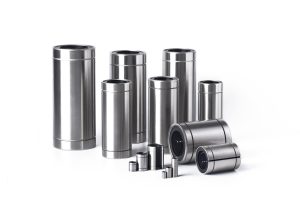
Как работает линейная втулка?
A линейная втулка работает за счет включения подшипниковые элементы—как правило шарикоподшипники—внутри цилиндрического корпуса. Эти элементы перемещаются внутри втулки, создавая плавное линейное перемещение с приводом. Как правило, такая структура включает:
An внешний цилиндр (обычно из стали или полимера)
Фиксаторы шариков для управления циркуляцией подшипников
A соединение вала для скольжения с низким коэффициентом трения
Эта система сводит к минимуму трение и обеспечивает высокоточное перемещение, что имеет решающее значение в областях, где важен каждый микрон, — например, при автоматизации как выполнять заказы по дропшиппингу на Shopify.
Для чего нужна втулка?
В своей основе втулка:
Опоры и направляющие линейное перемещение
Снижает контакт металла с металлом
Сводит износ к минимуму и вибрация
Продлевает срок службы компонента
Он служит защитным прослойкой между движущейся деталью и валом, обеспечивая стабильная, воспроизводимая производительность со временем.
Линейные подшипники с штангой и втулки: в чём разница?
Хотя оба компонента обеспечивают линейное перемещение, между ними есть существенные различия:
| Характеристика | Линейный подшипник с штангой | Линейная втулка |
|---|---|---|
| Движение | Прокат | Скользящее или катящееся |
| Трение | Очень низкий | Низкий |
| Подходящая скорость | Высокоскоростной | От среднего до высокого |
| Техническое обслуживание | Требуется смазка | Может не содержать масла |
| Оптимальное использование | ЧПУ, робототехника | Общая автоматизация, высокая нагрузка |
Линейные подшипники оптимизированы для точность и скоростьв то время как безмасляные втулки может лучше подходить для суровые условия эксплуатации или условия с ограниченной смазкой.
Основные преимущества линейных втулок
Почему линейные втулки почему они так широко используются? Вот какие преимущества они дают:
Уменьшенное трение: Шарикоподшипники снижают сопротивление, повышая производительность
Высокая точность: Идеально подходит для повторяющихся линейных перемещений в системах автоматизации
Высокая грузоподъёмность: Выдерживает осевые и радиальные нагрузки
Долговечность: Выдерживает суровые условия эксплуатации с минимальным износом
Универсальность: Подходит для широкого спектра промышленных применений
Эти преимущества имеют решающее значение для обеспечения бесперебойной работы систем, разработанных для выполнения таких задач, как как выполнять заказы по дропшиппингу на Shopify, где точность и эффективность должны расти пропорционально спросу.
Можно ли самостоятельно заменить втулки?
Да — и при наличии подходящих инструментов и четкого процесса это совсем несложно.
Пошаговая инструкция по замене втулки:
Выбор подходящей втулки: Сопоставьте размер, тип и характеристики материала.
Снимите изношенную деталь: Осторожно извлеките старую втулку, стараясь не повредить вал.
Очистите вал: Удалите мусор и остатки.
Установите новую втулку: Выровняйте и аккуратно вставьте.
Проверка бесперебойной работы: Подвигайте вал, чтобы проверить наличие трения или люфта.
Правильное техническое обслуживание обеспечивает бесперебойную работу вашей системы — это обязательное условие для оптимизированных процессов, таких как рабочие потоки выполнения заказов по схеме дропшиппинга.
Заключительные замечания: Стратегическая роль линейных втулок
С сайта точное производство на логистика электронной коммерции, который линейная втулка остаётся краеугольным камнем современного машиностроения. Его способность обеспечивать линейное движение без трения, увеличить срок службы оборудования, и поддерживать точность системы делает его незаменимым — особенно в отраслях, стремящихся к автоматизации таких критически важных процессов, как как выполнять заказы по дропшиппингу на Shopify.